Announcing the inaugural Bocas Lit Fest Scholarship!

Fresh Milk is deeply pleased to share the results of our inaugural Bocas Lit Fest Scholarship, which has been made possible with the generous support of Peter Lewis as part of our 2026 Slow Reading Programme. This programme serves to activate Fresh Milk’s Colleen Lewis Reading Room (CLRR), and commemorate Colleen Lewis’s legacy on the 20th anniversary of her passing.

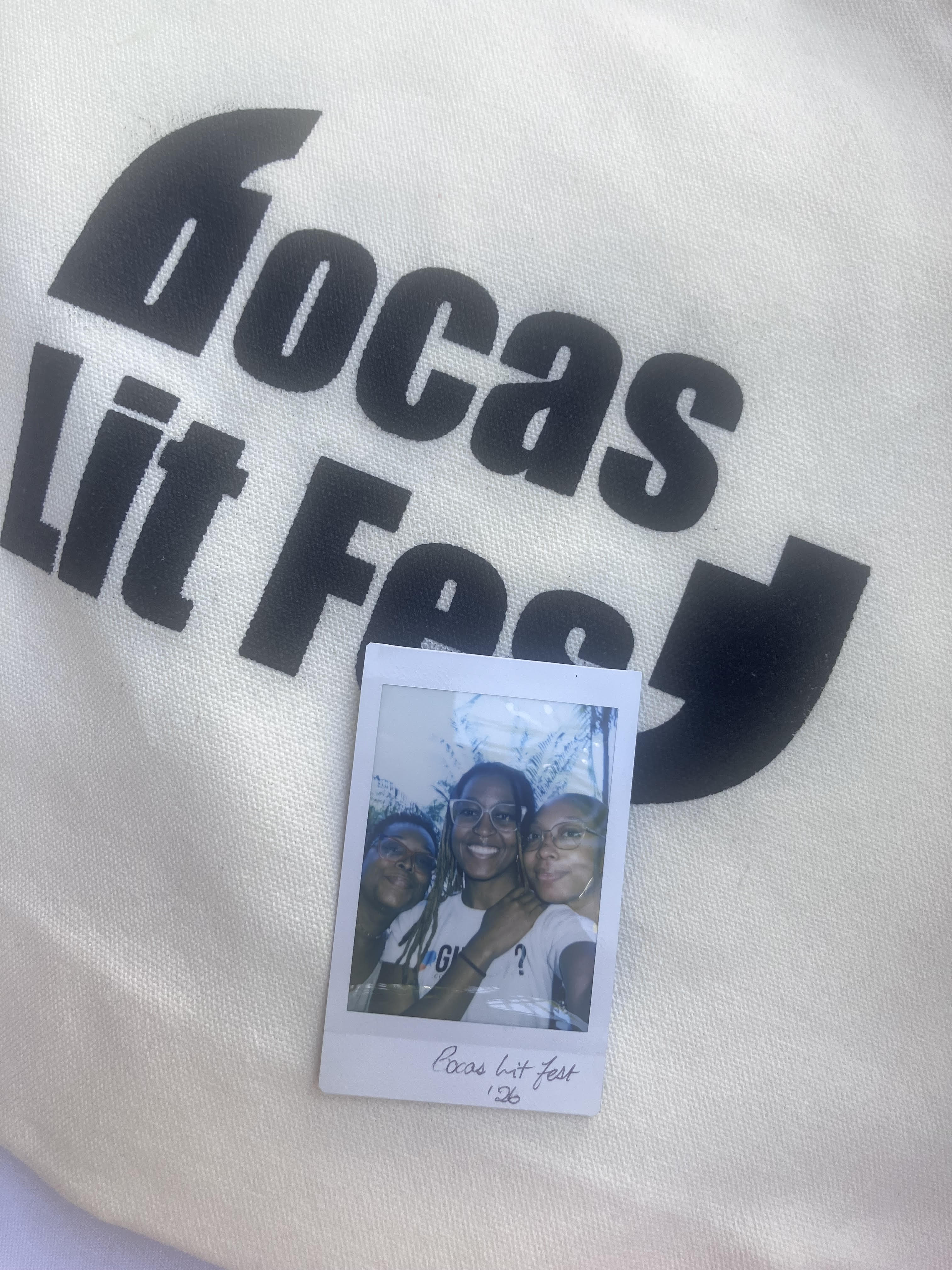
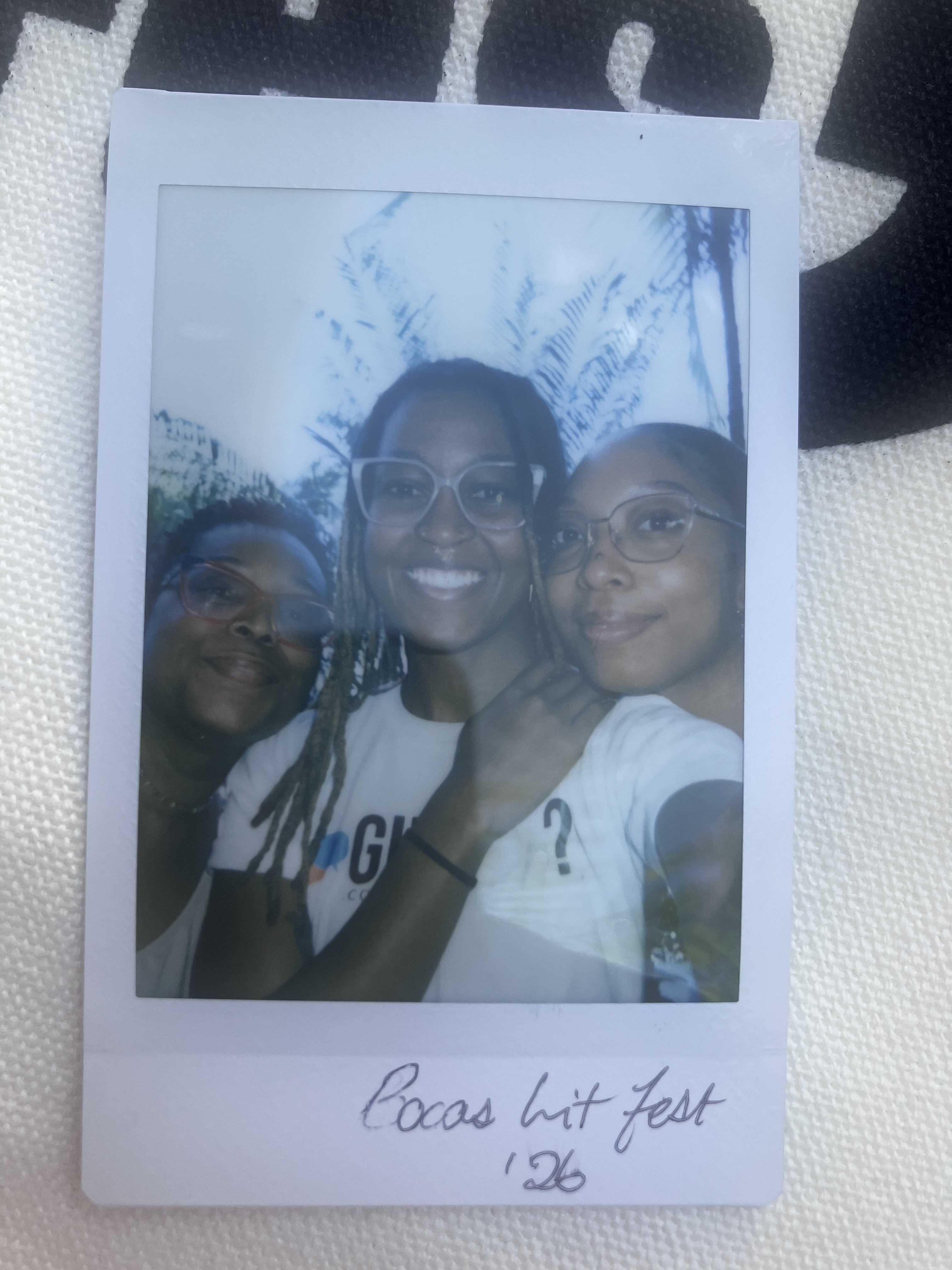
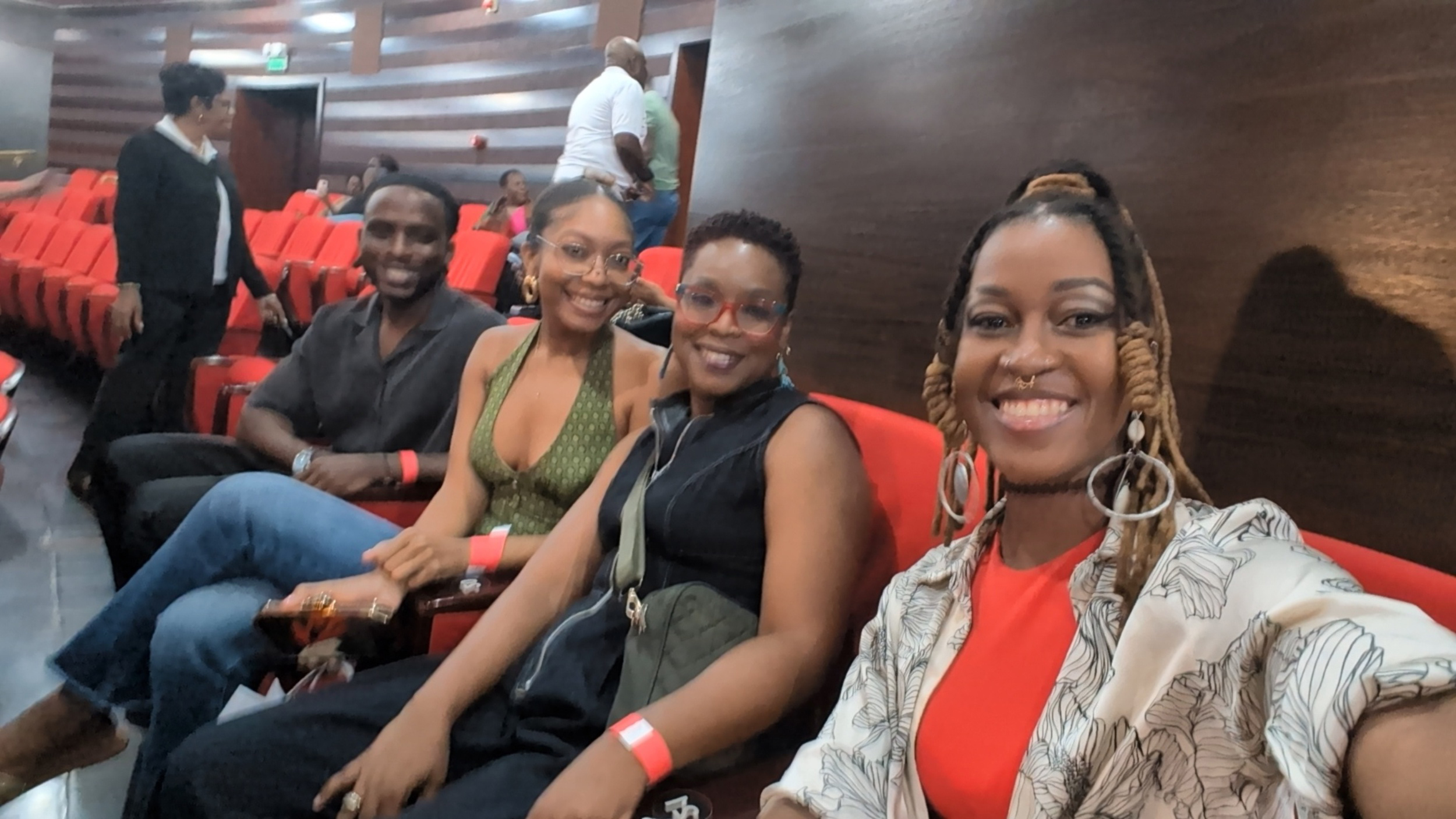
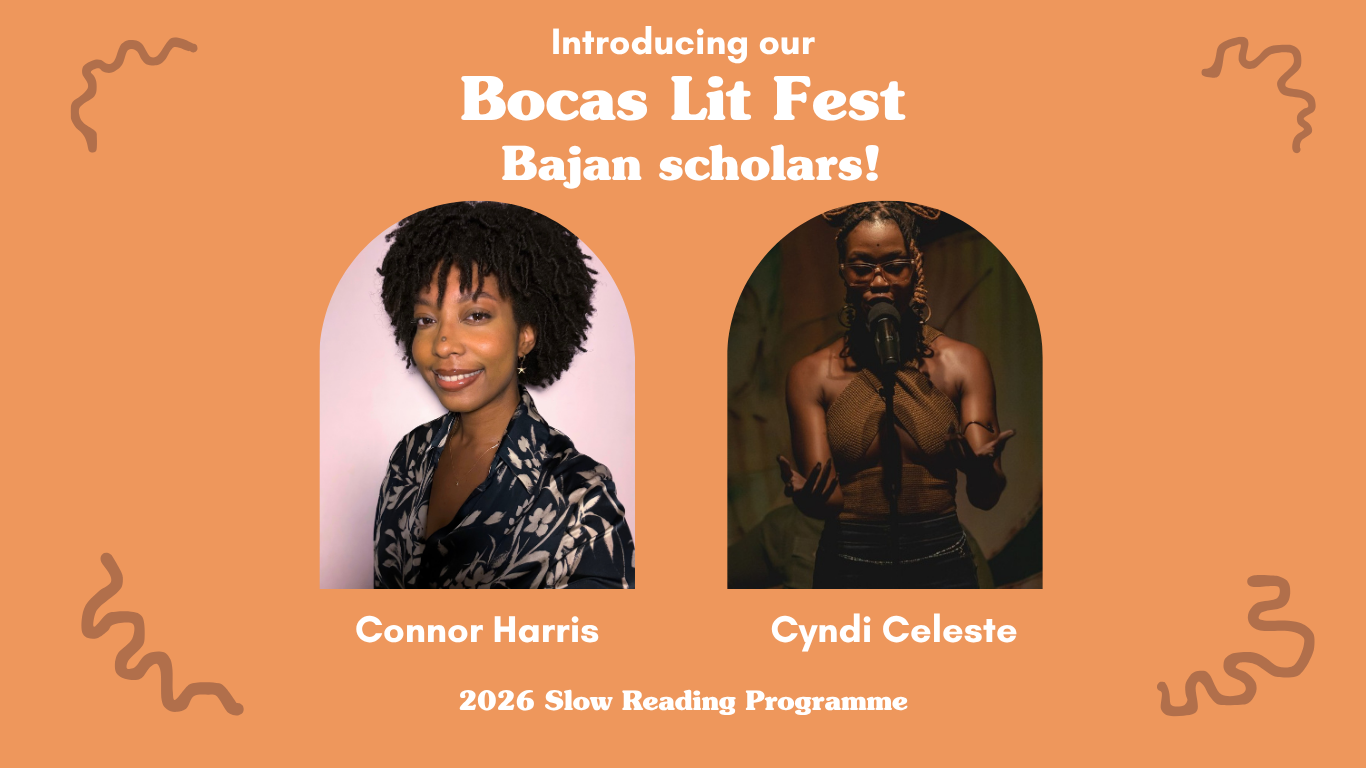
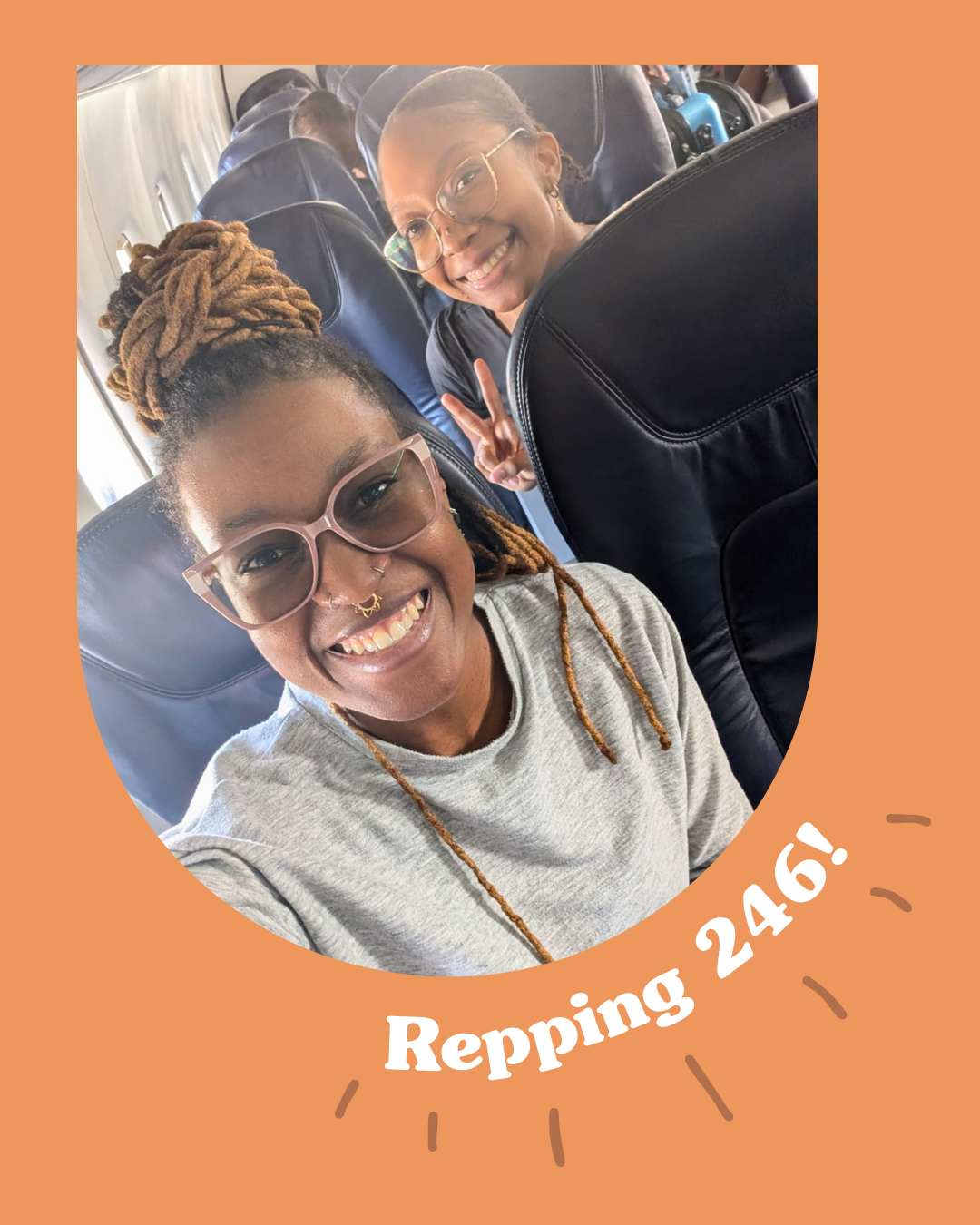
We are delighted to announce that the inaugural Bocas Lit Fest Scholarship has been awarded to Cyndi Celeste and Connor Harris! Congratulations!

Read the full jury report process below

The Bocas Lit Fest Scholarship was designed with three principal desires in mind: 

i) A programme designed by and for artists, writers, and cultural workers with the goal of drawing strength from, and consolidating an awareness across linguistic regions and generations. 

ii) A programme that exalts the civic function of the arts and art research by bridging cultural practices with the social contexts to which they are responding, as well as addressing the practical needs of doing this work. 

iii) A programme that activates and facilitates exchange of existing work, thought, and feeling between Barbadians and, more broadly, Caribbean people, in order to digest and counteract the prevailing sense of isolation and/or apathy our economic and social condition can perpetuate.

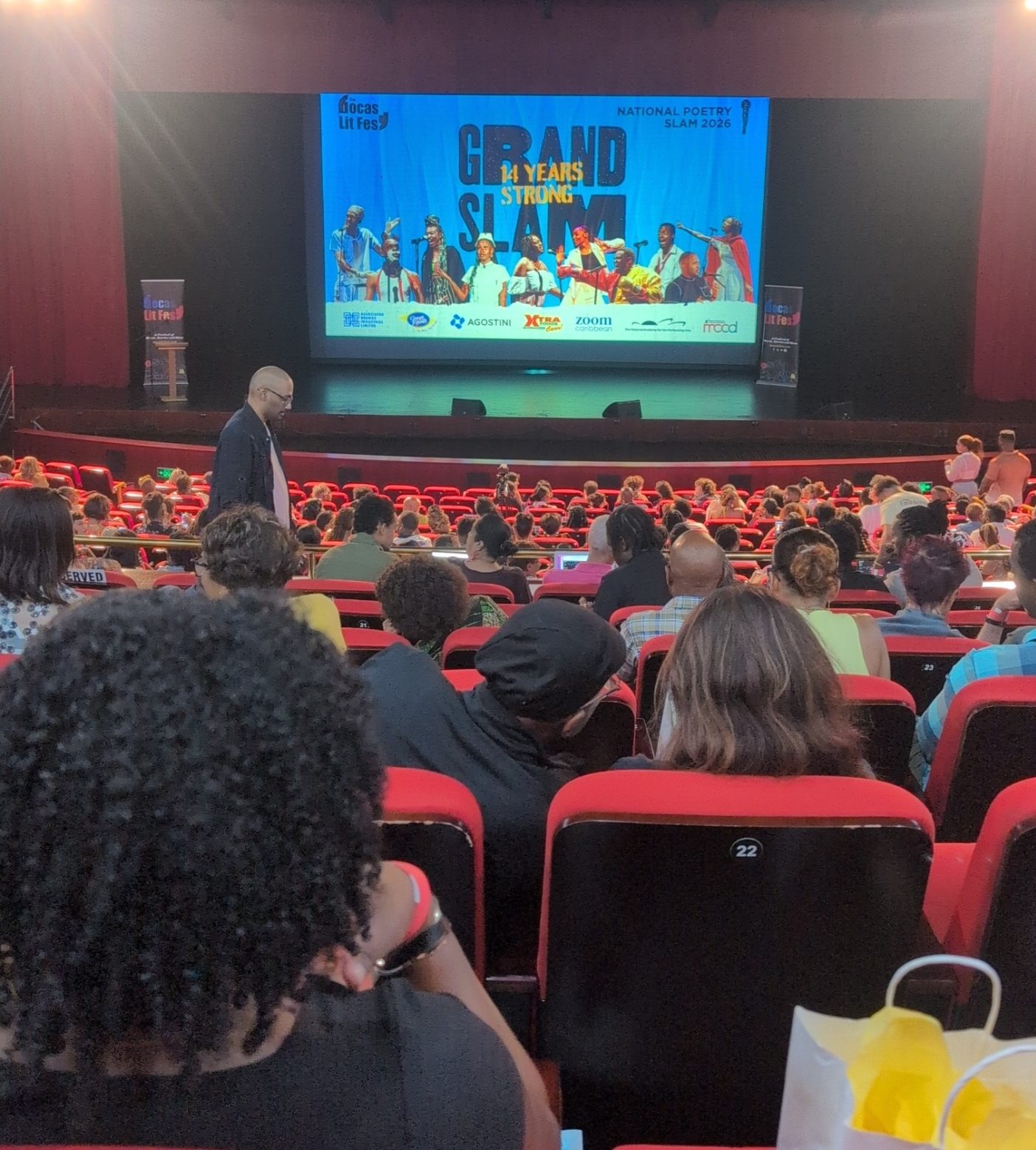
The Bocas Lit Fest — held annually in Port of Spain, Trinidad & Tobago — represents the most significant literary event in the Anglo-Caribbean. Held this year from April 30th to May 3rd, it generates a period of crucial enrichment, exchange and celebration for our region’s cultural sector. We determined sponsored attendance of this festival for a Bajan writer to be a necessary element of the Slow Reading Programme, in order to take part in the world-building activities and tools that literature, arts and archiving generate, helping to foster the imagination required to navigate the nuances of the Caribbean.

The Award Details

The Bocas Lit Fest scholarship includes:

  • Round-trip airfare to Trinidad and Tobago.
  • 4 nights of accommodation at the Kapok Hotel.
  • Airport transfers.
  • A daily allowance for the 4-day duration of the festival.

Candidate Requirements:

  • Candidates must be 21 years of age or older and based in Barbados.
  • Candidates must hold a passport valid for at least 6 months for travel to Trinidad and Tobago.
  • Candidates must be available to travel for the full duration of the festival (April 30th – May 3rd).
  • Upon completion, Candidates agree to collaborate with Fresh Milk to craft a journalistic reflection/report on the experience to be shared across our public platforms.

Procedure

On March 12th, Fresh Milk contacted three esteemed members of the local literary community:

  • Dr. Debra Providence, Lecturer at The Department of Languages, Linguistics, and Literatures.
  • Robert Sandiford, co-founder of ArtsEtc publishing company, writer, editor and part time faculty at the Barbados Community College Division of Fine Arts Department. 
  • Andy Taitt, owner of Black Rock Books book store and community hub for literary events. 

Providing the above mentioned background, we requested they collaborate as nominators, selecting 2 candidates each by the deadline of March 23rd. 

The nominators selected the following individuals as nominees: 

  • Cyndi Celeste 
  • Claudia Clarke
  • Christopher Cox 
  • Kemar Doughty 
  • Connor Harris 
  • Shondrell Meredith 

On March 25th the nominees were contacted to be notified of their candidacy, and were requested to submit a 500-750 word Letter of Motivation by April 3rd, articulating the following: 

  1. Why they are a suitable candidate for this scholarship.
  2. Describing the main themes or areas of interest in their literary craft, and if there are emerging themes in particular that they would like to further explore through attending Bocas LitFest.
  3. How attending Bocas LitFest will impact their professional development and area of interest.

All 6 Letters of Motivation were shared with and reviewed by the Fresh Milk team and Fresh Milk’s Board Members:

  • Natalie McGuire, Curator of Social History and Engagement at the Barbados Museum & Historical Society 
  • Rae Skinner, Founder of Caribbean Brushstrokes Gallery 

The decision making process was made through each board member representing one vote, and the Fresh Milk team representing a third vote. 

General Comments

Each candidate’s Letter of Motivation reflected exciting and compelling insight into their practice, their desires and some background to their work. 

Cyndi Celeste wrote of her keen dedication to exploring the themes of nation language, futurism, and “acts of re-membering as personal and collective repair”, with a special focus on the Caribbean Voice and orality. Their years spent organising events and opportunities for the broader literary and academic community, as well as for the general public, is reflected in their attention to innovating methodologies, and the social role that the literary arts must uphold. 

Claudia Clarke described her commitment to writing women-centric fiction, to assert the presence of nuanced mid-life experiences in contemporary Barbados, and bringing to life the multiple layers of an invisibilised demographic. She remarks on how the “All Together Now” theme of Bocas Lit Fest this year resonates strongly with the predominantly solitary nature of literary craft which, as an emerging middle-aged writer herself, is of particular importance to engage with opportunities for community and knowledge exchange.  

Christopher Cox shared his craft as dedicated to interrogations of the ills and virtues of the human psyche primarily through humorous story telling and plots of intrigue and conspiracy. He seeks to use these as vehicles to blend Caribbean History with new ways of storytelling, re-imagining past elements in exciting new settings like science fiction and modern fantasy. 

Kemar Doughty spoke of his keen interest in addressing Caribbean masculine identities and the intersection of religion and sexuality in the region, as well as his curiosity at the intersection of linguistics and literary criticism. Importantly, he touches on his position as an academic and creative from an urban working class Bajan background, working within an under-narrated area to which he dedicates his voice and talents.

Connor Harris described her deep interest in working through themes of magical realism, and her particular focus on the Caribbean gap within the global canon of encyclopedias of symbolism related to regional mythologies and folklore. She reflected a well-studied understanding of her craft and its relevance within our current context, dedicated to spiritual and religious themes pertinent to cultural rites of self-actualisation, touching on memory, death/rebirth and the shadow.   

Shondrell Meredith illustrated her journey from beginning as an avid reader using novels as a means to travel the world, and becoming acquainted with life in other Caribbean islands through fiction, to growing into a creator of her own stories that portray a fresh perspective of Barbadian life. She identified her motivation to bridge cultural gaps and portray our similarities in an engaging way, commenting on the value that attending Bocas Lit Fest would have for her to deepen not only her experience as an emerging writer, but also to gain a better understanding of the world of publishing and marketing. 

Results

It was a difficult process evaluating the candidates, as each writer presented compelling niches and interests that would undoubtedly benefit from the opportunity to attend Bocas Lit Fest. On the one hand this positively indicates that the literary talent in Barbados is growing ambitiously, and is responding creatively to the needs of our local context. However, it signals that the cultural infrastructure and opportunities to accommodate these ambitions needs to develop and expand in tandem, in order to adequately meet the needs and desires expressed by writers from different backgrounds and practicing diverse genres.  

We designed this scholarship with the initial intention of offering it to one candidate; however, upon evaluation of the top candidates we noticed that their profiles were very much complimentary and would benefit from close interaction. We therefore decided to adjust our Slow Reading Programme budgeting in order to grant the scholarship to two awardees. 

We are delighted to announce that the inaugural Bocas Lit Fest Scholarship has been awarded to Cyndi Celeste and Connor Harris. 

A huge thank you to Peter Lewis for making this scholarship possible, and to the nominators for their role in stewarding our local literary ecosystem.   

We strongly encourage you to follow and support the trajectory of all the candidates, each with unique merits: 

Claudia Clarke
Website: https://www.claudiaclarkewriter.com
Instagram: @claudiaclarkewriter

Shondrell Meredith
“These Fields and Hills” (2023) on Amazon
Instagram:  @pennedbyshondrell

Kemar Doughty
Inkitt: https://www.inkitt.com/kemjlu

Christopher Cox
Instagram: @hypothetical.arts

Cyndi Celeste
Website: https://cyndiceleste.com/home
Instagram: @cyndi.celeste

Paradise, For Whom? Rethinking the Caribbean Landscape through Colleen Lewis’s Essay

Fresh Milk and the Barbados Museum & Historical Society (BMHS) are honoured to invite you to an evening celebrating the memory of Colleen Lewis, and her enduring legacy in the Colleen Lewis Reading Room located at Fresh Milk, Walker’s Dairy, St. George.

Painting featured: “Deux femmes causant au bord de la mer, Saint Thomas” (Camille Pissarro, 1856. Accessed from wikicommons.

As part of the 2026 Slow Reading Programme, we will share critical reflections on the history of how our landscapes have been shaped by the foreign gaze, using Colleen’s 2004 essay ““Pictorial Depictions of the West Indian Landscape in the 18th century and early 19th century: the sublime, the picturesque, the romantic” as a point of departure.

RSVP HERE!

Hosted in the Sir Trevor Carmichael Walled Garden Theatre at the BMHS, panelists Dr. Geoffrey Ward, Peter Thompson, Anne Bancroft, and Alissandra Cummins will share a diverse cross-section of perspectives on the topic and its relevance both in our historical and current setting.  

Creative responses crafted in Fresh Milk’s collective writing workshop in January, inspired by the calypsonian tradition and a guided walk through the Barbados Trailway in St. George, will be read by poets Cyndi Celeste and Stacey Alvarez. The full series of poems by all participants will be shared via a print fanzine. 

We invite you to take part in this Slow Reading Process; take the time to read Colleen’s article available to download in our RSVP form. We also ask for you to share any questions to panelists beforehand, which you can submit by writing to freshmilksocials@gmail.com.

Send us your RSVP by Monday April 13th! See you then! 


About the panelists:

Alissandra Cummins, GCM, FMA, is Director of the Barbados Museum and Historical Society and serves as Vice President of the International Coalition of Sites of Conscience as well as the Barbados National Commission for UNESCO. She was elected President of the International Council of Museums (2004-2010) having previously served as Chairperson of its Advisory Committee for six years. A recognized authority on Caribbean heritage, museum development and art, and was awarded the Barbados Governmen’s Gold Crown of Merit in 2005. She was elected a Fellow of the Museums Association (UK) and as a member of the Commonwealth Association of Museums’ eminent Cowrie Circle. Ms. Cummins lectures part time on Heritage and Museum Studies at the University of the West Indies. She has served as chair/vice chair and/or member in a number of regional and international heritage programmes and publications, instruments and entities, including President of the Executive Board of UNESCO (2009-2011) and Editor in Chief of the International Journal of Intangible Heritage.

Anne Bancroft is a collection care specialist with over 20 years’ experience in the heritage sector. She has worked internationally as a preservation and conservation consultant across the West Indies, India, Italy, and the UK. Anne currently serves as Head of Collection Care and Conservation at both the Barbados Museum & Historical Society and ROADs National Digitisation Programme. She holds two masters degrees in conservation from Camberwell College and the Courtauld Institute of Art, with a focus on technical art history. In addition she has a Bachelor’s of Arts from BCC. She has previously worked with leading institutions including the V&A Museum and Tate Britain. Her research focuses on sacred objects, and she brings a forensic, materials-based perspective to the understanding and preservation of cultural heritage.

Geoffrey Ward completed his undergraduate degree in History at the University of Western Ontario in Canada before returning home to Barbados. He was awarded his PhD from the University of the West Indies (Cave Hill Campus) in 2022, investigating the political, social and economic interactions between the Barbadian Populace and British naval personnel in the American Revolution. He recently completed an R.L. Seale / University of the West Indies post-doctoral fellowship, investigating the relationship between Rum and the Barbados plantation economy between 1775 and 1815.

Peter L. Thompson grew up in Barbados but fled the day after he wrote his last secondary school exam. He departed with the certainty and irrevocability of every teenage heartbreak… Yet even as Air Canada turned to the final north, affection strained, but space and time couldn’t snap it. He returned at last to his native land nine years ago, after a many decade long art gallery/management consulting career in Canada. He works now to understand how to take risks in the pursuit of meaning. His love affair with Barbados is unrequited, still.

Announcing the 2nd Edition of the Lucayan Archipelago Residency

Fresh Milk in partnership with Poinciana Paper Press and supported by the Panta Rhea Foundation are delighted to announce our second edition of the Lucayan Archipelago Residency which will commence in The Bahamas in January 2026.

In response to the critical need for exchange across creative and environmental ecosystems, this residency brings together creatives from the Caribbean to imagine and co-create a critical cultural dialogue with the environment and resources in The Bahamas through art and writing. Our two residents are Tracy Assing (Trinidad & Tobago) and Carol Sorhaindo (Dominica).

Tracy Assing is a writer, editor, filmmaker. She has spent several years working in various forms of media, and as a communications strategist. As a member of Trinidad’s indigenous community, working mainly in non-fiction, her work is aligned with sustainable ways of living and green strategies for survival. Assing produced, wrote and directed the first film on the subject of indigenous survival in the English speaking Caribbean, The Amerindians. Her essay, Unaccounted for, was the only non-fiction essay included in the Commonwealth Writers anthology, So Many Islands. 

Assing has a passion for magazine and zine culture and has been involved in the development of several publications. She is also a poet, who uses photography in her work.


Carol Sorhaindo is a freelance visual artist with an MA in Creative Practice from Leeds College of Art, UK. Her diverse portfolio career includes interior design, community education and project development. The success of her art practice is built on a strong belief in the value of creative expression, nature and heritage awareness on mental wellbeing.

Inspiration is drawn from landscapes with a focus on Caribbean plants of economic and ethnobotanical interest. Carol lives in Dominica after many years of residing in the UK. Her migration story and entangled roots inform her reflective Art practice. Research is centrally contextualized through mindful exploration of natural plant-based dyes and earth pigments on textiles, drawing, painting, print making, installation and  journaling.   


Together, Tracy and Carol while based in Nassau will explore some of the family islands of this 700-coral island archipelago, meet with contemporary visual artists and writers, ecologists, and environmentalists to understand the ecological reality of the Lucayan Archipelago that sits within the Atlantic Ocean. We can hardly wait to see what emerges from this collaboration!


About Fresh Milk:

Fresh Milk is an artist-led, non-profit organisation founded in 2011 and based in Barbados. It is a platform which supports excellence in the visual arts through residencies and programmes that provide Caribbean artists with opportunities for development, fostering a thriving art community. Fresh Milk offers professional support to artists from the Caribbean and further afield and seeks to stimulate critical thinking in contemporary visual art. Its goal is to nurture artists, raise regional awareness about contemporary arts and provide Caribbean artists with opportunities for growth, excellence and success.


About Poinciana Paper Press:

Located in the capital of the archipelagic nation of The Bahamas, Poinciana Paper Press provides opportunities to engage with books and their allied crafts to empower people to share their narratives in a region that has historically erased, marginalized, and exploited the culture and lived experiences of its inhabitants.

Bahamian writer and artist Sonia Farmer created Poinciana Paper Press as an independent book publisher in 2010, releasing handmade limited-edition chapbooks and artists’ books of Caribbean poetry, short stories, and experimental writing. Her vision is to advance the diversity of narratives and publishing modalities in The Caribbean.

In 2022, she established Poinciana Paper Press as the first Center for Writing, Book Arts & Publishing in The Bahamas—arguably, in the wider Caribbean—to expand this vision, developing visibility in the literary and book arts from within the Caribbean cultural ecosystem.

A major collaborator in the literary and visual arts communities in the region, Poinciana Paper Press facilitates programming aligned with its mission by providing opportunities to engage with the form of the book and its allied crafts of writing, bookbinding, letterpress printing, handmade paper, printmaking, book design, and calligraphy. This includes workshops, community outreach and engagement, exhibitions, publications, and residencies.


About Panta Rhea Foundation:

Mission: To catalyze a just and sustainable world through food sovereignty, community power building, and grassroots liberation around the globe.

The Panta Rhea Foundation (PRF) was established in 2001 as a private foundation devoted to researching issues and analyzing the operations, goals and potential of organizations committed to building a more just and sustainable world. The Foundation advises individual donors and other charitable entities on grantmaking strategies and specific grants.

We believe that lasting, authentic change must come from the grassroots; from the organized efforts of people and organizations to enliven the social imagination and envision a better future, to experiment with new ideas, and to hold elected leaders and corporations accountable to the communities they serve.

Our foundation name, Panta Rhea, is inspired by Ancient Greek philosopher Heraclitus. It roughly translates to “You never step into the same river twice” or “All things change, all things flow”—suggesting both inherent constancy and change as a fundamental of life itself. 

The CLRR Slow Reading Programme #1

Fresh Milk is excited to share with you our first activation to inaugurate our Slow Reading Programme, an initiative dedicated to “building intimacy with our books while shaping a community of readers locally and across our archipelago.”

In memory of writer and art historian Colleen Lewis — whose collection of publications dedicated to Caribbean literature, history and contemporary art form the foundation of the Fresh Milk reading room — this programme invites you to form a bridge that cuts through the noise of our current media landscape in order to engage deeply with the Caribbean literary landscape.  

Programme #1 – Reflecting on the Lucayan Archipelago Residency

From September to November of 2024, Poinciana Paper Press became home to the first participants of the Lucayan Archipelago Residency in The Bahamas, with the support of the Panta Rhea Foundation.

Barbadian writer Ark Ramsay joined forces with book artist Joko Viruet Feliciano from Puerto Rico to create a collaborative work that develops a critical cultural dialogue with the Bahamian ecosystems and resources.

Un Santo a la Vez/A Prayer in Motion” is the result of this inter-island encounter, materialised in a carefully hand-bound book conceptualised and crafted by Joko which houses Ark’s written reflections, and masterfully put together under the guidance of Sonia Farmer, founder of PPP.

To bring the nuances and depth of this work into view, Fresh Milk invited established Trinidadian poet, arts reporter and book blogger Shivanee Ramlochan to connect with Ark in an organically meandering conversation of like-hearted souls. We have the privilege of sharing the recording of this exchange with a public audience, inviting you to join in the thoughtful contemplation of the pressing issues that our region collectively confronts.

Joko joins in the reflective process asynchronously, sharing audio recordings and images that guide us through the residency experience from her perspective.

See the full programme here

Matilde dos Santos writes on CATAPULT Awardee Gwladys Gambie for Madinin’Art

Martinique based historian, art critic and independent curator Matilde dos Santos, who was one of the guest curators/mentors selected to conduct studio visits with 6 of the 24 CATAPULT Stay Home Artist Residency participants, has generously offered to write features on each of the artists she engaged with during the programme. The fourth piece focuses on the practice of Martinican artist Gwladys Gambie!

Read the article, originally published in French on Madinin’Art: Critiques Culturelle de Martinique (January 10th, 2021), in English below!


Gwladys Gambie, Incandescent scars

In August 2020, Fresh Milk (Barbados) and Kingston Creative (Jamaica), with the support of the American Friends of Jamaica (United States), launched CATAPULT | A Caribbean Art Grant, a programme which, through six initiatives, provided direct financial support for five months to more than 1,000 Caribbean artists and creatives affected by the pandemic. One of these initiatives was the Stay Home Artist Residency (SHAR). Twenty-four artists were selected and the residencies were spread out into three groups from September 21 to December 11. I was delighted to be one of the visiting curators, and it is a pleasure to share the outcomes of these meetings with you.

Cartographie sensible (detail) SHAR residency November 2020, courtesy of the artist

Gwladys Gambie, an artist from Martinique, was selected for the home residency opportunity, so I was able, between one confinement and the other, to visit her studio in person.

Gwladys was born in Fort de France in 1988. After studying literature and education, she entered the Caribbean Arts Campus and obtained her DNSEP (Master) in Visual Arts in 2014. Gwladys’ work explores her own body and revolves around the character Manman Chadwon (mother sea urchin), a kind of divinity invented by the artist. Through drawing, collage, sculpture, sewing or embroidery, the artist works with voluptuous body shapes adorned with thorns, forceful yet evanescent. In recent years the artist has participated in several residencies, including Création en cours initiated in 2018 by the Ateliers Médicis in Guadeloupe and Caribbean Linked V organized by Ateliers’ 89 and Fresh Milk in Aruba. She has also participated in the Fountainhead Residency, in Miami (2019) and most recently the CATAPULT SHAR. Gwladys also participated in the international exhibitions Désir Cannibale at the Little Haiti Cultural Center in Miami, as part of the Tout-Monde Festival (2019), and in the Mercosur Biennale (2020), held on-line due to the COVID pandemic.

Corps paysage, felt on paper, 2018, 65 x 50 cm. Courtesy of the artist.

Corps paysage, felt on paper, 2018, 65 x 50 cm. Courtesy of the artist.

In her drawings, the female body is laid out into a dreamlike landscape. All-powerful femininity displays full bodies assuming their sensuality. Paradoxically, the delicacy and precision of the drawing impart a kind of harshness. It’s Manman Chadwon, Afro-Caribbean deity, a bit Mami Wata, a bit Manman Dlo, her body bristling with quills. An avatar of the artist that incorporates both softness and pain.

In her drawings, black and white dominates. Color comes in small touches and until recently, almost always by collage. Then, there is the red ink, connecting her work to the present day violence: against women, or the soil in Martinique poisoned by chlordecone. Emanating from these bodies drawn in black or red are real ecosystems supporting minerals, plants, and animals. In an organic landscape, the body spreads out, secretly forming folds that both enclose and exhibit.

The birth of Manman Chadwon, 2018, ink, collage on paper, 75 x 100 cm, courtesy of the artist

Cartographie sensible (detail) SHAR residency November 2020, courtesy of the artist

We can link Gwladys’ work to that of female artists, who since the 1960s have built a feminist aesthetic designed to liberate women’s imagination. The work of many artists who do not claim to be feminists shares common traits none-the-less with the feminist movement as a whole, such as the affirmation of the body and the deconstruction of stereotypes, or in the practice of strictly feminine crafts, such as embroidery and sewing, which triggers a subversion of hierarchies by promoting what was usually considered as subordinate. A combined concern for issues of gender, race, ethnicity and social class forms the basis of a feminism that is reinventing itself today through the enhancement of an exacerbated femininity, which, rather than denying sexist stereotypes, reappropriates them and throws them back in the face of the public.  In its pop version, this appears in the form of vertiginous heels and superlative “bondas”. Gwladys’ femininity is radical, yet poetic; assuming violence portrayed by omnipresent thorns that render both pleasure and protection. Thus, we can compare her works to those of the Haitian artist, Florine Démosthène, and her round heroines endowed with monumental buttocks, as doubles of the artist. Her work is also comparable to White shoes (2015), a performance of the photographer Nona Faustine, who exposed her own ‘unconventional’ naked body perched on white pumps while she browsed places linked to slavery in New York, such as Wall Street, an ancient slave market. Or, yet again, to the drawings of black women by Rosana Paulino, their bodies always round, always a little the artist herself, or to Paulino’s use of sewing to roughly patch up photos of naked slaves, or the way she obliterates the eyes, throats or mouths of black women by stitching over them as if to emphasize the state of servitude in which they are found, while their photos are delicately presented on embroidery hoops.

Cartographie sensible (work in progress) SHAR residency November 2020. Photo by Matilde dos Santos

Gwladys’ works breed rebellion: against stereotypes of black women’s bodies, against objectification and fantasies of sexuality tainted with exoticism. The artist would like to reinvent eroticism, with drawings of a touching sincerity: full bodies, black skin, challenging the canons of beauty. Thorny bodies, triple breasts, powerful yet fragile bodies; vulnerability as a weapon. To make the body of the black woman, for a long time the territory of all oppressions, a decolonial body: neither in the Western norm, nor against it, but rather outside the norm. Rooted in ancestrality.

The link with African ancestrality has been widely claimed in recent years by artists from the diaspora. With Gwladys this demand is visceral, as the need to examine oneself, to express oneself. The use of Creole, and poetry, which invade certain drawings, goes without saying. This is because Creole goes straight to the heart of things. A language that is very imaginative yet straightforward, like the visual language of Gwladys.

Ambulatory performance, The beautiful monster, FIAP 2017, Fort de France. Courtesy of the artist

For the SHAR programme, Gwladys experimented with needlework. Her particular affinity with sewing was noticeable in her work with “grennen” (frizzy) hair while she was still in art school. She built mole sculptures with hair; weaving, knotting and sewing, adding beads, fabrics, and frills. In the sequence, there were performance costumes, including that of FIAP 2017, a full leotard that she had personalized with rather coarse protuberances and adorned with pearls and fringes. Later on, after discovering the Moko Jumbie from Trinidad, she feminized the costume even more while keeping the thorns. It then became Moko Chadwon (2018). The Moko Jumbie is not just a dancer on stilts, the name retains its African origins, the idea of ​​a healer, and from the Caribbean, the word “jumbie” meaning spirit. This is probably why in 2020, to participate in Trinidad’s carnival, Gwladys added a fringed crown to her red costume; in it, I recognized the “odê” with “imbé”, which hides the face of certain orishas in Afro-Brazilian and Afro-Caribbean rites.

During the first part of confinement, Gwladys participated in a collective residency in the 16M2 art space in Fort de France. Since the shops were closed, she was forced to turn this constraint into an opportunity and use an old transparent curtain that was a little frayed as support. So she incorporated the holes of the fabric into her embroidery, a technique she was only just then discovering. The connection was immediate and very quickly her work was very successful. The idea of ​​reparation guided her. And while physically she was repairing the fabric, it was also the health of the world, the bodies of women, history itself, that was being symbolically repaired. In the SHAR residency, Gwladys wanted to give continuity to the embroidery work on two types of support: the first was an unbleached cotton fabric, a little thicker than a canvas, on which she made rough imprints of the erogenous parts of her body. (buttocks, breasts, thighs, crotch) in red ink. On these prints, she subsequently added random embroidery. On photos of fragments of the work, I imagined, with the help of red, that it was drawing a woman’s reproductive system; in front of the whole work, we can see that every figure is pure interpretation. The imprint is indeed that of the artist’s body, but deliberately they are fragmentary imprints whose shape cannot be easily identified and on which the embroidery is applied in a hazardous manner. The large size of the support allowed her to work on the idea of ​​a geography of emotions making an epidermis of the tissue, on which the artist embroidered scars. Fragments of texts add depth to the work and the color red gives them a false air of Chinese characters.

The second support was a banana leaf. The confinement once again forced the artist to review her way of creating. Working on a living natural object was a novelty for Gwladys. Laying the leaf flat on a stand, she felt like she had a body on the operating table, ready to respond to a double health emergency: Covid and chlordecone. Find an antidote for the poisoning? Circumscribe it? Talk about it anyway. And always this idea of ​​repair. The leaf is fragile, so the artist wanted to embroider the edges to prevent them from fraying. As she embroidered it, the leaf followed its natural process of deterioration, which the artist documented in photographs. The intense red magnifies the wound as the leaf gently rots. A first draft, beautiful and moving, which resonates with a poem by Brazilian Cristiana Sobral that I have only just discovered:

I have an incandescent scar of pain
But it’s only inside
Outside I drew a flower

– Matilde dos Santos – Historian, art critic and independent curator

Appreciation to the partners of the CATAPULT programme: The American Friends of Jamaica, Kingston Creative and Fresh Milk.

The SHAR participants described their experiences in blogs that you can read on the Fresh Milk platform here.


For further information:

Artist Gwladys Gambie’s website: http://gwladysgambie.blogspot.com/

Website of the artist Florine Démosthène: https://florinedemosthene.com/home.html

On the performance White shoes by Nona Faustine: https://africanah.org/nona-faustine-white-shoes-project/

On Rosana Paulino and other women artists of Brazil and the Caribbean: https://aica-sc.net/2018/01/28/femmes-artistes-noires-bresiliennes-et-caribeennes-defier-linvisibilite/