Kraig Yearwood’s Residency – Final Blog Post

Barbadian artist Kraig Yearwood shares his final blog post about his Fresh Milk ‘My Time’ Local Residency 2017, which took place during March this year. Kraig gives an overview of the residency and final thoughts on the experience, including the workshop he held with Class 3 students at Workmans Primary School, and his participation in our public event FRESH MILK XX, which took place on May 9, 2017. Read more below:

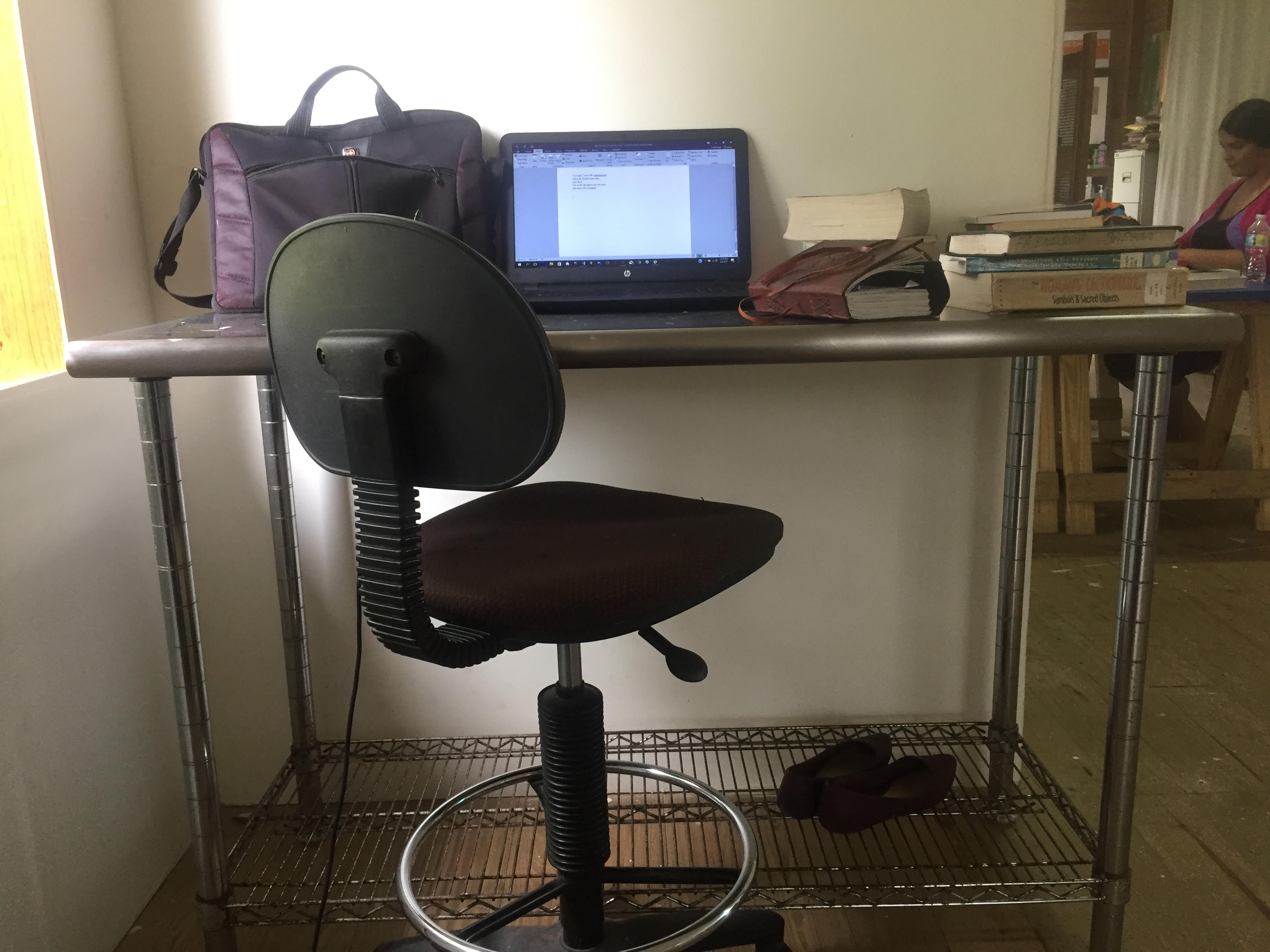
A view of the Colleen Lewis Reading Room as well as a few of my reading materials

The Lost Blog

Okay, the title is a bit of a misnomer – I guess it’d be more accurate to say that life got in the way of writing this final blog post.

Once again, I can’t believe how time flies. As I cast my mind back to when I started the My Time Residency, it’s strange to imagine that my 1st week at Fresh Milk seemed to drag on endlessly and I was in a constant battle with myself about not doing enough. This was despite my using this week to work on possible directions as well as researching some of the materials I was hoping to work with.

A few of the experimental pieces which were made during the 2nd week of my residency

I’ve stated previously, on commencement of my residency, that I had no solid ideas other than I’d known I’d wished to play with materials I’d never used before and also wanted to explore the use of collected trash items. As I got deeper into my stay, I started to focus on exploring themes of materialism, mass production, excess and what we leave behind.

Knowing that I still had to develop ideas for the social outreach component of the residency, I decided to create an environmental awareness programme which would be geared towards primary school students. The aim of this workshop was to educate the children on the importance of proper waste disposal, drawing attention to local and global environmental issues, community activism and the importance of teamwork in tackling such issues. Workmans Primary was selected mainly due to having a very limited arts programme as well as the existing relationship between the school and the residency platform. The workshop began with a with video presentation focusing on environmental awareness and recycling tips, and was followed by a question and answer segment. The children were then split into groups where they were invited to colour and collage bits of trash items on to a poster which was illustrated by myself, depicting an appropriate method of waste disposal as well as the consequences of litter. To conclude, the class was given a smaller version of the poster to take home, as well as a handout which included interesting facts on the environment and a small activities section.

The poster for the “This! Not This” campaign

_____________________

FRESH MILK XX Event

On Tuesday May 9th I wrapped up my time at Fresh Milk with a showing of the work made or conceptualised during this stint, as well as participating in a Q & A with international curator Pamela Lee. Pamela also delivered an eye opening presentation on the connections between the areas of Art and Science. This well attended event was brilliantly capped off by the then current resident, US-based poet drea brown, who spoke on her residency experiences which was followed by an engaging poetry reading.

Although this might be the 1st time that I’ve perhaps failed to complete a body of work, I do believe that the Fresh Milk platform has provided me with an invaluable experience. It has allowed me some much needed time to focus on making artwork, experiment and introduce new materials into my practice in a new and supportive environment.

Much thanks to Annalee Davis and Katherine Kennedy.

Letitia Pratt’s Residency – Third Blog Post

Bahamian writer Letitia Pratt shares her third blog post about her Fresh Milk residency. This week, Letitia took the time to get out of her own head and experience Barbados is different ways to overcome her writer’s block. This exploration, coupled with inspiration gleaned from reading Shivanee Ramlochan‘s ‘Everyone Knows I am a Haunting’ proved to be the breakthrough she needed to continue writing about the folkloric Hag Woman in her poetry. Read more here:

This week, I went exploring. Stir crazy from the isolation of my own head, I decided to give myself a break and travel all over the island. I thought it would be good to do this because I was having trouble formulating the narrative of my poem, and a break was necessary to gather my thoughts.

My week started off with an island tour that Natalie McGuire took Nyugen and I on. We were able to watch the island come alive through her lead. With good company, I allowed the spirit of the island to speak to me. We explored caves and cavernous cliffs that overlooked the sea at the east and north points of the island. It was a beautiful thing to experience, and from the natural beauty of this place, I was able to find some melody to my writing. But it wasn’t quite there yet.

During the week I decided to go walking around in Bridgetown. The bustling activity of the place immediately overwhelmed me. It was quite different from the silent stillness of Walkers Dairy and reminded me of the hullabaloo of Downtown Nassau. Because of this, I found it kind of homey as I walked through the busy crowds that were ambling towards shops. I visited libraries, souvenir shops, produce markets, and stalls on Swan Street. The Bridgetown atmosphere was definitely invigorating, but did not unblock the words I needed for the piece.

Feeling frustrated I confided in Sonia Williams, a Barbadian performance artist, theatre director, writer, and educator in Theatre Arts at the University of the West Indies Cave Hill Campus, about the construction of my Hag Woman character. She suggested, because the character was so connected to the woods and trees of her environment, that I immerse myself in the woodsy areas of Barbados for inspiration. So one morning, pulling on my T-Shirt and very long jeans, I ventured into the woodsy trees that surrounded Walkers dairy. The stillness of these woods inspired some of the words for my poem. I was able to indulge in what my protagonist would be able to see when she transforms herself, and her voice came passionately.

When I left the woods I felt reassured. I knew the words were coming. But I needed a bit more help, and Annalee was able to provide some for me. Later on in the day, she gave me a copy of Everybody Knows I am Haunting by Trinidadian writer Shivanee Ramlochan. Her words were vivid enough to fuel dreams and spark my imagination. The story of the Hag Woman comes from the inspiration I gathered from reading this book. It came from those dreams.

After all the exploring, all the reading, my piece began to take on form. I was delighted. Again, I would like to thank Annalee and Katherine for letting me indulge in this amazing experience here at Fresh Milk. The Hag Woman and I are immensely grateful.

Letitia Pratt’s Residency – Second Blog Post

Bahamian writer Letitia Pratt shares her second blog post about her Fresh Milk residency. Continuing her research into Caribbean folklore, particularly the tale of the ‘Hag Woman’, Letitia is beginning to find a voice for the character she’s exploring, as well as drawing connections between folklore and trauma in the region – a thought fleshed out during a visit with acclaimed Barbadian author Karen Lord. Read more below:

This week went by as quickly as it came as I further explored my project. I found myself deep in search for the Hag Woman’s voice. The words were coming, yes, but trickling slowly. This character is taking her time forming herself, and I am letting her take all the time she needs! I spent most of my days at the studio, sketching her out in my mind. She forms like a cloud, and I reach for her, but she disappears between the cracks of my fingers. Needless to say, this project is taking quite a while to materialize.

As I continued working, I contemplated the effects of trauma on my protagonist. Last week I thought about the silencing of feminine experiences under the patriarchy and I thought I’d make it a goal this week to tap into the communal trauma that this fosters. The Hag Woman, while tapping into the powers of her femininity, is responding to this trauma.

These thoughts were inspired by my sit down with Karen Lord (who was gracious enough to do so and learn me some things) who offered an interesting perspective on folklore and trauma. Trauma inspires folklore, and while some draws from spiritual roots, they are responses of a community to explain a shared traumatic experience. What this conversation prompted me to think of is what trauma could inspire a story about a lady who strips her skin at night and terrorizes the town.

I am still developing this idea and by no means is this project complete. Currently, it is not only responding to the traumatic silencing women face because of the patriarchy, but it is also growing in the direction of responding to the specific type of misogyny that black women endure because of their own blackness. This is a community of people that experiences a particular type of misogynistic violence on the basis of their skin. Consequently, I want my protagonist to embrace the power of her skin: instead of “running away” from it, she uses it as a tool to absorb her power (sunlight) so that she can transform into a glorious ball of fire during the nighttime.

This project will take a little more time than I imagined to complete itself (I came here with a plan, I promise) but fortunately, I have the brilliant company of Katherine and Annalee to discuss these ideas with. Even more fortunate is that I have the solitude of the studio, where my thoughts have all the time in the world.

Nyugen Smith’s Residency – First Blog Post

US-based interdisciplinary artist Nyugen Smith shares his first blog post about his Fresh Milk residency. Nyugen has begun his experience by actively engaging with the site of Fresh Milk, which is located on a former plantation – now a working dairy farm –  and learning the history of this space and Barbados on the whole through conversations with Annalee Davis, exploring the grounds and conducting research in the Colleen Lewis Reading Room. Read more below:

*This blog post may contain language and content that may be unsuitable for children and the prudish. Discretion is advised. 

Day 1 of my residency at Fresh Milk International Artist Residency in St. George, Barbados.

Just prior to leaving home in the USA for this, my third Caribbean island as part of my Leonore Annenberg Arts fellowship, I was struck by the words, actions and accomplishments of peers/contemporaries/family.

It is because of them, I am inspired to approach this month-long residency with a deeper level of introspection, transparency, courage and audacity as it relates to process and reflection on time and work. Thank you.

I don’t know much about Barbados. I spoke with confidence correcting someone back home that Barbados was a larger island than Martinique. I was wrong. The former is 166.4 miles squared, while the latter is 436 miles squared. I was laughed at by a Bajan woman next to me on the plane on the way here when I asked her about the mountains on the island. “Barbados flat!” she said. Prior to coming, I wanted to know a more about the site where the Fresh Milk residency exists and about its founder, Annalee Davis.  Annalee (Fresh Milk) is also a co-creator (together with ARC Magazine) of Tilting Axis, a roving project with a goal of negotiating strategic regional and international alliances for the further development of infrastructure, production and markets for the Caribbean’s visual arts sector. I had followed her 2016 social media posts of her (bush) Tea Services project at the Empire Remains Shop in London, England where she offered to visitors, daily servings of varieties of bush tea collected from the fields of the former sugarcane plantation and adjoining rab lands out of tea-sets containing shards of crockery mined from the ground of her family property in Barbados. I know bush tea. I grew up on it. I picked bush for tea. The history and legacy of empire is of interest to me and this interest informs my work…so I wanted to know more…

Tilting Axis 3: Curating the Caribbean (May 18 -20, 2017) was hosted by the National Gallery of the Cayman Islands and the presentations by arts professionals was live streamed on Facebook and archived for later viewing. I watched three of the presentations so far (including Annalee’s opening address) and they were incredibly engaging. I said to myself, “..this Tilting Axis project is important, necessary and exciting.” So I looked to see what else I could find about Ms. Davis’ work and came across her 2014 essay on ARC magazine’s website titled: Drawing Lines – Counterpoints from inside the plantation, State(s) of Emergence(y) and crises of belonging at home. Here I learned a little about the history of the site of Fresh Milk. 

I could continue by providing references to my work that are related to what Annalee refers to in this essay as the “plantation complex,” however, one can look at my website and or google to see the connections.  So to be here, on a location that is charged with all of this present and living history, is an opportunity that I am blessed to have and grateful to have been accepted to continue in my exploration and make the work that I am called to do.

Nyugen Smith, coat of alms, 2016.

Milk

noun
1.
an opaque white fluid rich in fat and protein, secreted by female mammals for the nourishment of their young.

verb
1.
draw milk from (a cow or other animal), either by hand or mechanically.
synonyms:draw milk from, express milk from

2.
to exploit something to the utmost

Milk

when someone jerks off/ fucks a guy until every drop of cum comes out
http://www.urbandictionary.com/define.php?term=milking
Pleasurable, euphoric, ecstasy.

Today I watched the milking of over 24 cows. The process was systematic and efficient. I watched the area where they stand and feed everyday, be cleaned by what I would call a giant metal squeegee on the back of a tractor. Keshan reversed over and over, pushing all the waste to the end of both aisles, piling it up. I watched the calves in their pens, ears tagged with numbers to identify each, just as the adults were. They produced. They are of value. They are currency.

Not far from where they spend much of their days, stands what Annalee referred to in the aforementioned essay as vestiges of an insidious complex. The remains of a sugar mill and its outposts. Though missing its top and outstretching windmill, it still stands its ground, with baritone breath, holding secrets and long memory. The former mill and nearby trees whisper tales longer than the young vines that hang from their tops, down to hallowed ground, but yet to dig for bones, tobacco pipes and fragmented wares. Evidence of the hand is all over the limestone, wood and metal structure that was the mill. New life springs from the death of her. I touched and listened. The arched orifices are like deep gasps as if to revive. Parts and pieces of her lay strewn about and kept alive still, by the same air that filled lungs there centuries ago.

I thought about the bodies that laboured here, on this site, and how they might have moved, how many were they over time – like if all of their souls were present at once – just standing there to be counted, to be called by name. They produced. They were of value. They were currency.

This was not a moment of gloom for me, but a joyous one – like, YES! You are here, Nyugen. In the mix with all of this history. To make full use of this time and opportunity to engage, share, learn and build. As I walked the grounds in reflection, I began to recall the email introductions made by the FM staff, connecting me with historians, scholars, artists and writers here in Barbados. There was an anxiousness, a ready to burst feeling that ran through me from crown to sole. I then went to the Colleen Lewis Reading Room adjacent to the studio and browsed a portion of the over 3468 items in the collection and pulled a few titles to sit with for a while. 

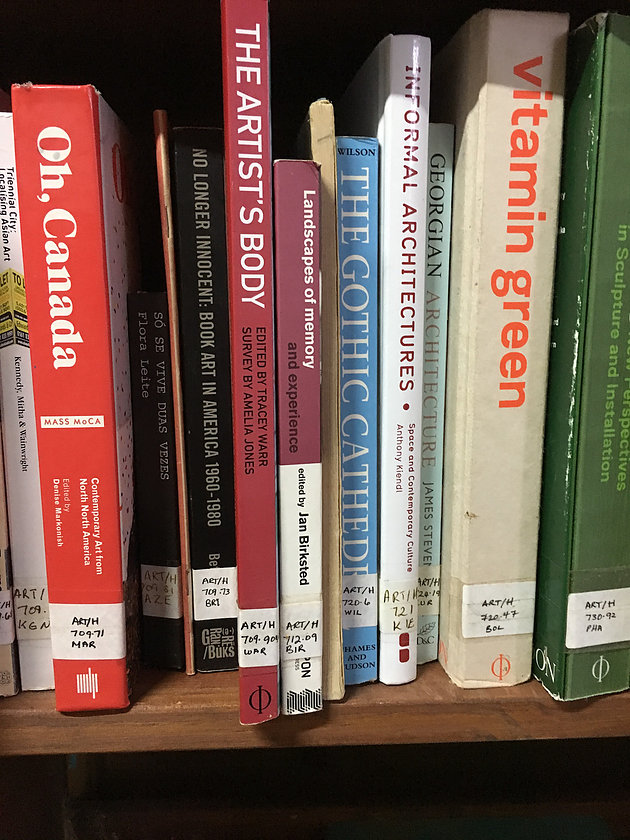
(from the collection)

In the preface to The Artist’s Body, edited by Tracy Warr, Warr writes, “Artists have investigated the temporality, contingency and instability of the body, and have explored the notion that identity is ‘acted out’ within and beyond cultural boundaries, rather than being an inherent quality. They have explored the notion of risk, fear, death, danger and sexuality, at times when the body has been most threatened by these things.” This caused me to reflect on notes I took during my walk around the acres. I thought about the complex notion of identity in the Caribbean and how one’s role or position within the social structure is inextricably linked to the body that ‘act(s) out’ the role(s). Then the questions arise: does the ability to effectively execute a role depend on one inherently possessing the qualities of said role? and if so, how does the threat of fear, death, risk, and sexual violence deepen the commitment to the role. Then one can ask further questions applicable to the plantation model about inherent qualities formed by what Carl Jung referred to as collective unconsciousness.

Warr goes on to write about Dadaist of the 1910s and 1920s making “art in places more real and relevant.” This site, is perhaps more “real and relevant” to my work than any gallery or institution in which I have exhibited or made performances. It is my hope that the work that happens here continues in the trajectory of my time spent in Martinique – (Working form a non-Western cultural perspective), not (so) focus(ing) on a notion of the individual as a central, cumulative point, but rather on an understanding of self as part of a continuum in time, a community, an environment, a cosmos. – Warr 

Read this post on Nyugen’s website here.

___________________

This residency is supported by the Leonore Annenberg Fellowship Fund for the Performing and Visual Arts
drea brown’s Residency – Week 2 Blog Post

US-based poet drea brown shares her second blog post about her Fresh Milk residency, which is part of a new partnership between  Fresh Milk  and the John L. Warfield Center for African and African American Studies at the University of Texas in Austin. This week, despite coming with a plan for her residency, she has found herself responding in unexpected ways to the space, and has been compelled to continue writing about Phillis Wheatley – responding to the gaps in history and giving way to the ‘ghosts’ that haunt her poems. Read more below:

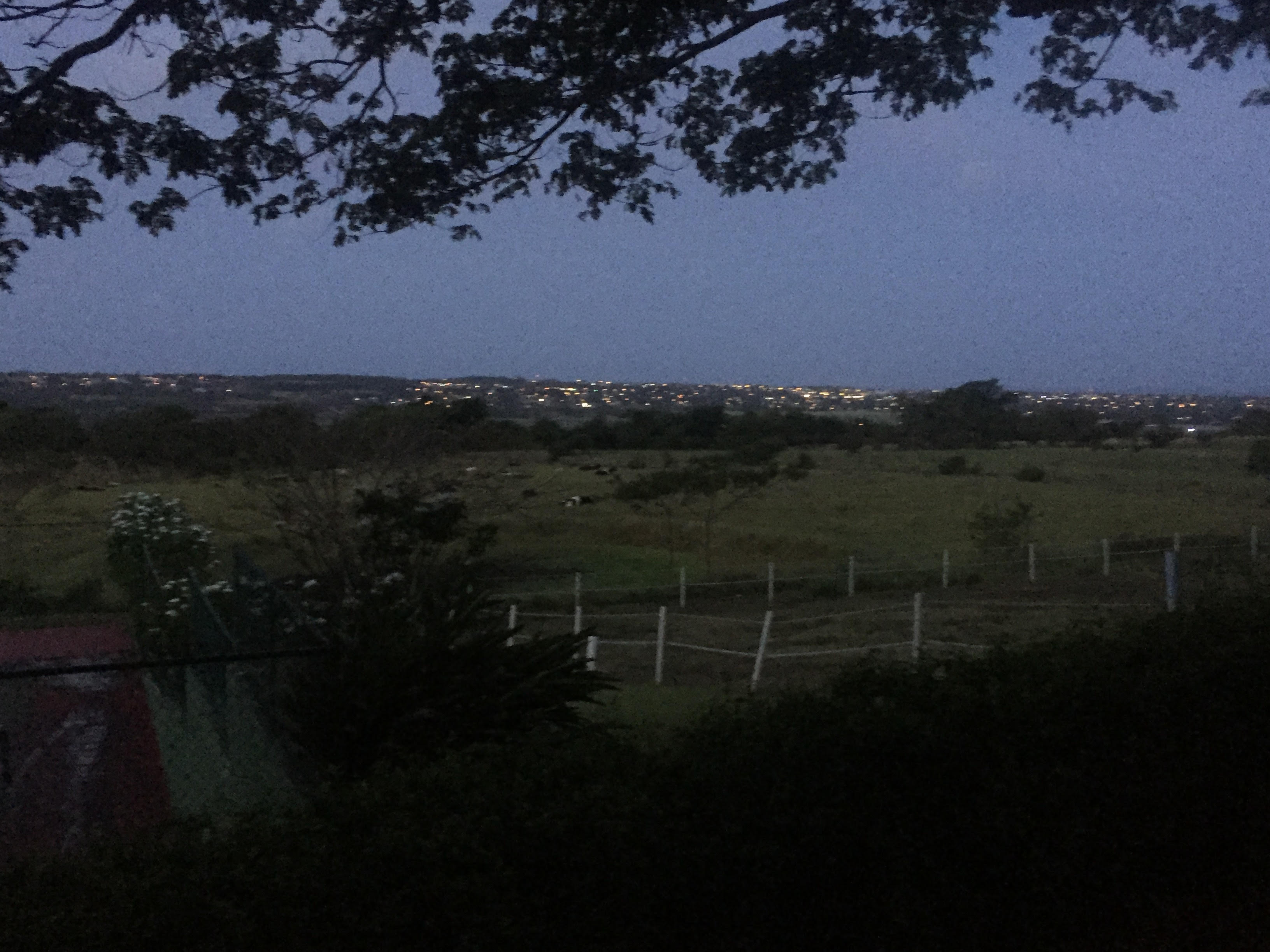
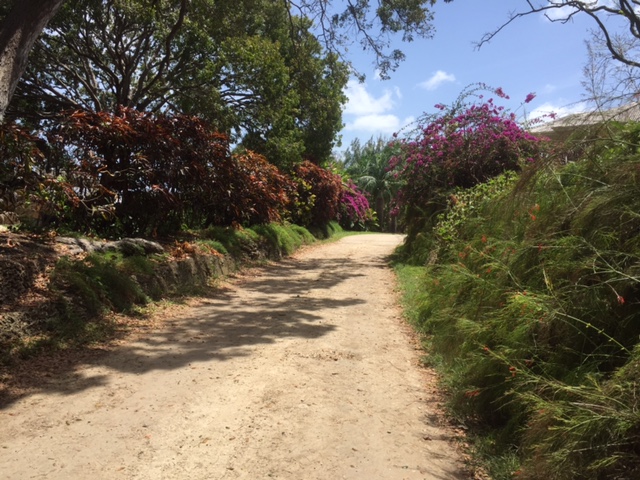
The walk to the studio

I came here with a plan. But, the poems that have come since my arrival are not the poems I intended. Each morning I make my way to the studio listening to leaves murmuring in the early breeze, I sit at a blue desk facing windows wide open to a winding hillside, and the poems come. Sometimes they are unwelcome visitors knocking for entry, sometimes to write them is comfort, but at all times they feel necessary, like work I am continually called to do. They are long—pages and pages of unfurling stanzas, raw and full of secrets, ragged line breaks; they are not the poems I imagined. But poems, like the ghosts that live in this ink, want what they want, and who am I not to oblige.

Phillis Wheatley

Dear reader, Phillis Wheatley will not let me be. I have made peace with this, and realize in some ways to write these poems is to work toward my own healing. The blues of the studio, its tables and doors and corner rocking chair, the blues of Bathsheba in the east, of Accra in the south, they remind me of this. And so I write and read incessantly, at the studio, in my flat, with my feet in the sand near lapping water, as if it is the only way to breathe. Perhaps in this second week, that is what it has been—a way to let go and take in again and again.

What Audre Lorde said remains true: poetry is not a luxury. It is a tool of survival, a means to find some kind of freedom.

__________________

This residency is supported by the John L. Warfield Center for African and African American Studies